Personnel & recovered works File No. 001
DECLASSIFIED · 2026

LARMER, JACK “WICK”

SUBJECT: Game designer. Competitive systems, balance, economy.
Grayscale Byzantine icon of a cherub: a face ringed by interlocking wings, on a dark ground
PLATE I. Cherub of the mercy seat. Provenance unknown.
SEC. 1

Recovered Artifacts

“And there we saw the giants, the sons of Anak… and we were in our own sight as grasshoppers.”

Numbers 13:33
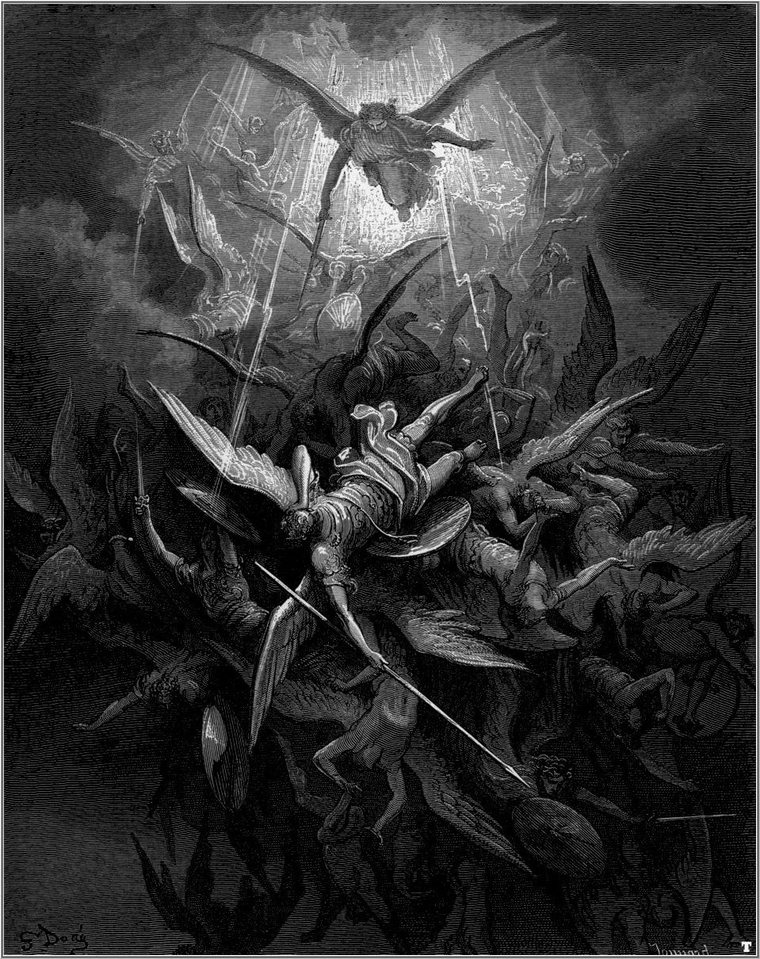
Doré engraving of giant winged figures cast down beneath a burst of light
PLATE II. “Hurled headlong flaming from th’ ethereal sky.” Doré, Paradise Lost.
Artifact No. 001 · design analysis & original item Site: the item shop · condition: complete

Deadlock’s Item Shop: How to Kill the Blue Guy

A gap analysis of a live competitive shooter’s item shop, ending in an original Tier 4 design: Pacemaker, an anti-heal item for frontliners, argued from public data with pre-registered kill criteria. Giant included. Slaying instructions included.

Open file Print edition (PDF)

Artifact No. 002 · economy case study Site: Raid Party · condition: papers recovered

An Economy at Scale

Designing and balancing the live economy of an idle game that drove over $100M in on-chain volume and was acquired. Sinks, sources, progression pacing, and what the dashboards taught me that the spreadsheets could not. Also my first time facing live players, the happy and the angry, and learning to treat both as data.

Open file
SEC. 2

Personnel File

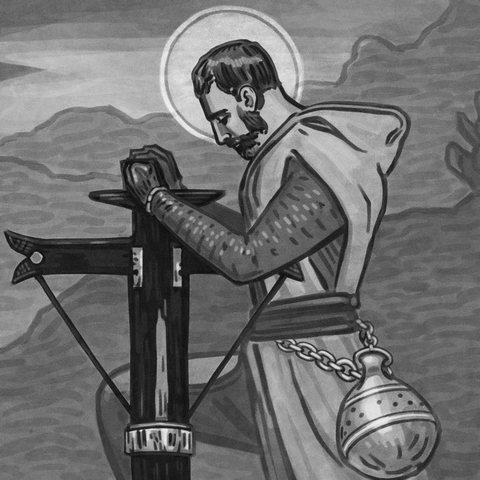
Grayscale icon painting of a haloed figure operating a ballista hung with a censer
PLATE III. Believed to be a likeness of the subject.
Photograph of the subject
PLATE IIIb. The likeness, confirmed.

I design competitive multiplayer systems: balance, items, and economies. I designed and balanced the economy of Raid Party, an idle game that drove over $100M in on-chain volume and was acquired by Webaverse in 2022, and the economy of Sugartown, Zynga’s first blockchain title.

Subject is known to
  • answer to “wick.”
  • be 24 years old.
  • live in San Diego, CA.
  • study Biochemistry at UCSD.
  • be willing to relocate anywhere.

STATUS: Seeking full-time design role in competitive systems, balance, or economy.

SEC. 3

Decalogue

“…write them upon the table of thine heart.”

Proverbs 7:3
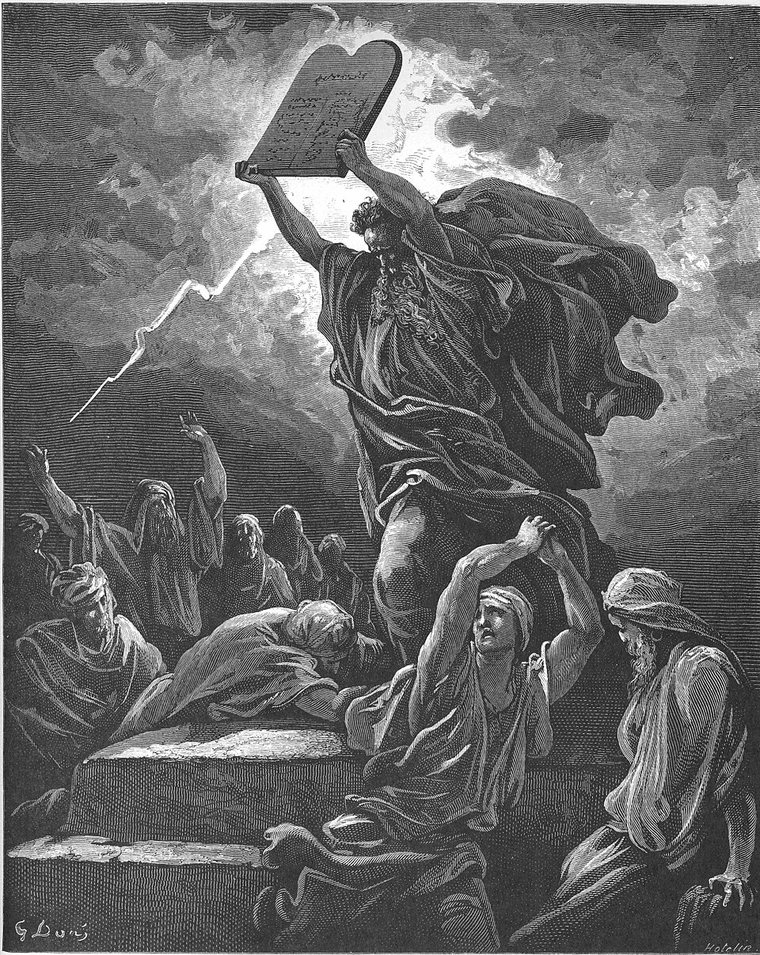
Doré engraving of Moses raising the tablets of the law amid lightning
PLATE IV. The first edition, mishandled. Doré, 1866.
Ten laws. Recovered intact. Translated from the original. Some words resist translation.
  1. Every threat ships with its answer. Ship a problem, ship the counter with it. Cheap and single-target at first, more expensive and team-wide as the threat scales. And findable. A counter nobody can see isn’t one. [In the original: ᚲᚨᛚ᛫ᛗᚨᚱ᛫ᛃᛖᛚᛖᛞ᛫ᚹᛖᛞᚨ, every threat bears its answer. The word ᛗᚨᚱ, threat, shares a root with “merchandise.”]
  2. Never nerf the reason someone queues. Some mechanics are why a player shows up at all. Movement is the canonical case: strong, and some people are only here for it. When something beloved overperforms, the fix is an answer, not a smaller number on the thing they love. Shave the joy and they quietly leave. Ship the answer and both sides get a game. [In the original: ᛚᚨ᛫ᚲᚨᚱᚢ᛫ᚺᚨ᛫ᛞᚢᚾ, do not unmake the joy. ᛞᚢᚾ is joy, but also “the reason one returns.”]
  3. Rework the cost, never the soul. A redesign keeps the fantasy that made people love the original and reprices what it costs to use. If the rework wins but the players who loved it leave, the rework lost.
  4. Full value requires risk. Power should pay out on commitment. On a hero you hit, in a fight you’re actually in, not on a flat timer ticking from across the map. There has to be a window where landing it can go wrong, or dodging and dispel and spacing stop mattering. The item I won’t build is the one that pays the same whether you earn it or not.
  5. Uptime is a stat. Half the broken things in any patch are uptime problems wearing a damage costume.
  6. Reuse live verbs. Every mechanic I propose already exists in the game in some form, so new work reads like it was always there. That is a default, not a ban on invention: brand-new machinery is welcome, it just belongs in a major update, not a Tuesday patch.
  7. Conservative numbers, named kill criteria. Reach for a number before a redesign, because the fix usually is a number. Every change should ship with the result that would prove it wrong already written down. If you can’t say what would make you revert it, you don’t have a design yet. You have a wish.
  8. Check the data before the nerf. Loud isn’t strong. Pull pickrate, winrate, and win-probability impact before you move a number. Sometimes the data backs the gut read and sometimes it humiliates it, so be honest about which one you’re running on. And if you over-nerfed something, just put it back. Reverting isn’t an admission of anything, it’s the next correct change. [In the original: ᚲᚨᚱᚨ᛫ᛖᛗ᛫ᚨᚱᛞ, read the ashes. ᚨᚱᛞ is data: what remains of the fire.]
  9. Objectives never pay the winner twice. A losing team needs a real way back, or people quit trying and the game’s over by minute twenty. But they earn it off the map, off objectives and tempo. Nobody hands it to them on a coupon.
  10. Real holes. Real solutions. If it doesn’t fill a hole nothing else fills, I don’t build it. A missing counter, a role nobody covers, a reason to take a fight that isn’t there yet. Anything else is making something so you can say you made something, and the shop’s crowded enough.
SEC. 4

Correspondence

jacklarmer@protonmail.com

X / Twitter  ·  Discord: @bicepcurls

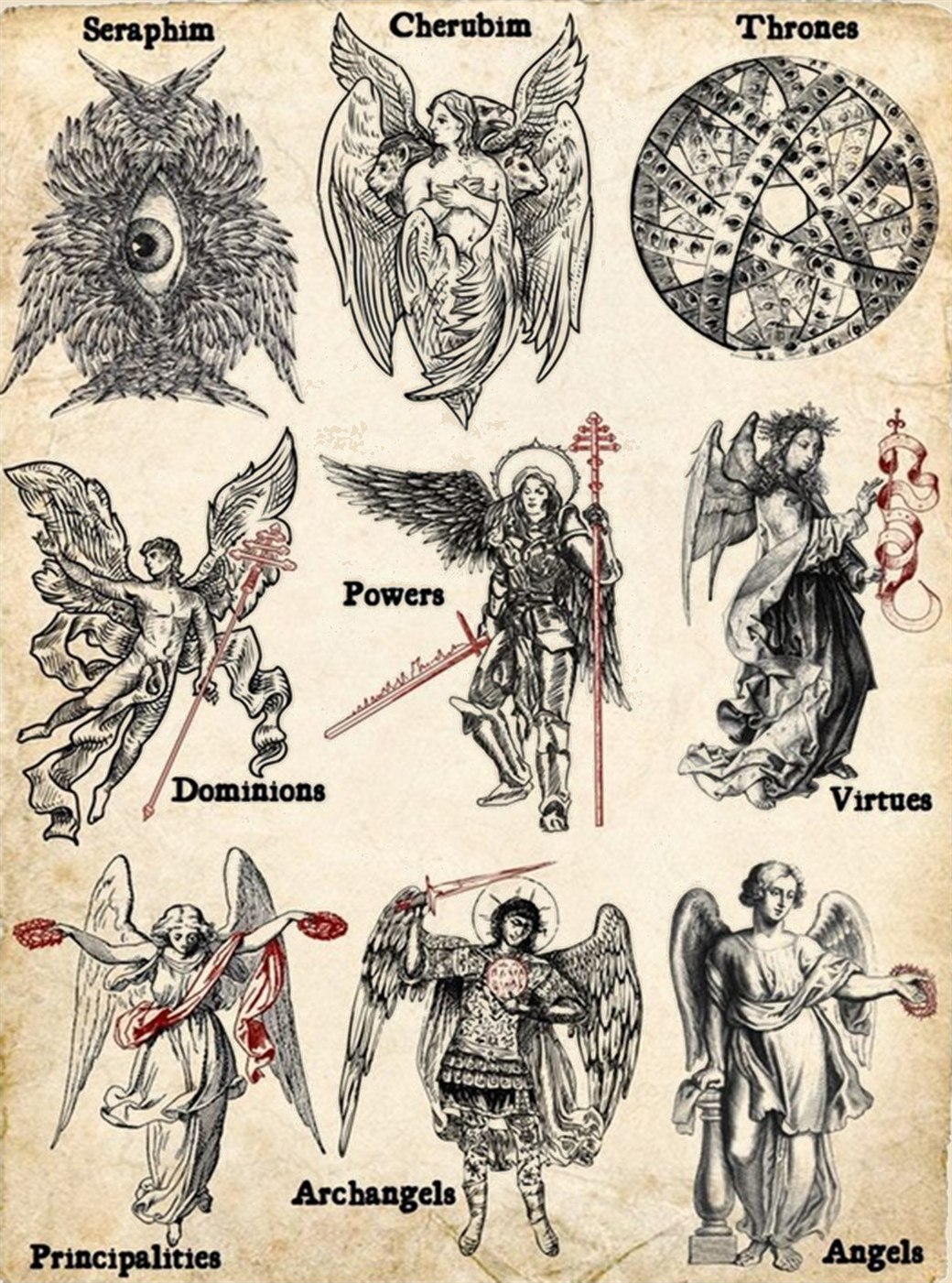
Engraved chart of the nine choirs of angels, Seraphim down to Angels, on aged paper
PLATE VI. The orders, ranked. Hierarchy of a system older than this one. Provenance unknown.